News
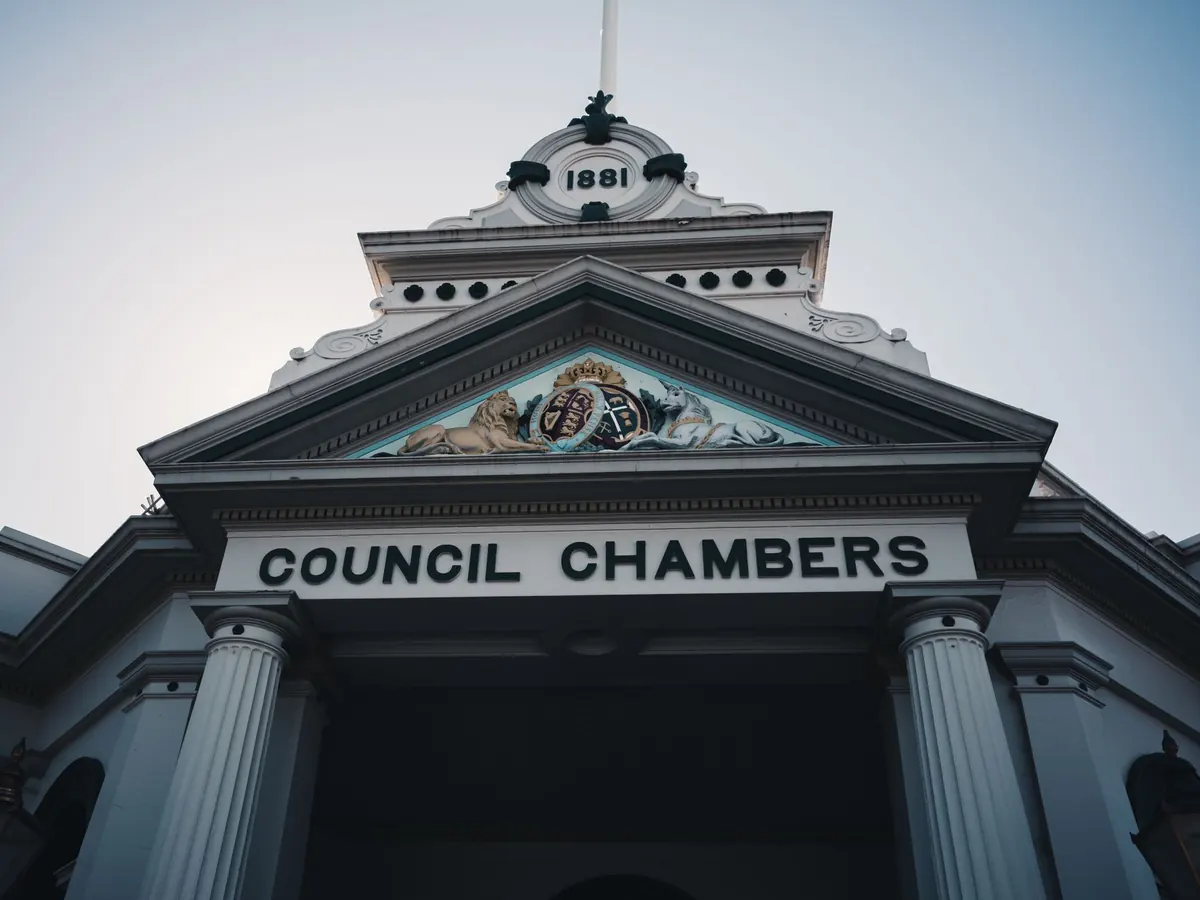
Photo: Sonny Sixteen / Pexels
How to cover a local council meeting: a practical guide for community journalists
There is a particular silence in a council chamber just before a vote on whether a field becomes two hundred houses. If you are there to report it, that silence is your cue. The vote matters, but the argument that produced it matters more — and the argument is what nobody else in the room will write down properly.
Local government is unglamorous and endlessly productive. Planning, social care, school places, licensing, bus routes: decisions that shape daily life get taken in rooms with bad lighting and a coffee urn. Here is how to cover those rooms well.
Read the papers before you walk in
Council meetings are not improvised. Every item on the agenda comes with a written report, and the report usually tells you what officers want the committee to agree. Find the agenda pack on the council's website — most authorities publish committee papers through a document system you can search by date, committee or keyword.
Read in this order:
- the agenda itself, to see the running order and roughly how long each item will take;
- the officer report for each item, especially the recommendation at the end;
- any annexes — financial tables, consultation summaries, maps, viability assessments;
- minutes of the previous meeting, where unfinished business tends to hide.
Two things are worth marking in advance. First, any item where officers recommend one outcome and local members have publicly said something different; that gap is usually where the argument will be. Second, anything being decided rather than discussed. A scrutiny committee can recommend, a planning or licensing committee can decide, and full council sets the budget. Knowing which is which stops you writing that something was "approved" when it was only noted.
Decode the jargon before it decodes you
Planning committees are the hardest to follow and the best source of stories. Officers speak in a shorthand built up over decades. You do not need to be a planner, but you do need a working glossary.
A starter glossary
- Outline permission and reserved matters: approval in principle, with details such as appearance and landscaping agreed later.
- Section 106 agreement: a legal agreement under which a developer pays for or provides something — affordable housing, a play area, highway works.
- Community Infrastructure Levy: a charge some councils apply to new development to fund infrastructure.
- Material considerations: the factors a committee is allowed to weigh. Loss of light, traffic, design and conflict with policy usually count. Officers will often explain, politely, why a popular objection does not.
- Delegated decision: a decision handed to officers under powers the committee has already granted them.
- Call-in: a procedure that can send a decision back for reconsideration.
If you get lost, do not bluff it. Wait until the meeting ends and ask the planning officer one question: "Which policies did the committee rely on?" It is a fair question, it takes thirty seconds to answer, and it often hands you a follow-up.
Report live without getting it wrong
Live reporting from the chamber is now normal, whether you are posting to a news site, a social account or a newsletter. The discipline is unchanged: short, factual, attributed.
- Note the item number, the mover, the seconder and the vote — for, against, abstentions.
- Write quotes exactly as spoken. You can tidy a stutter or a repeated word; you cannot tidy the meaning.
- Say who is speaking and what their role is. A surname alone is not enough if the reader does not know which ward or committee they chair.
- Never post something from the corridor as though it were said in the chamber.
Check the council's rules on filming and recording before you start. Most public meetings can be recorded, but councils set conditions on where cameras go and whether members of the public are filmed. Ask the Democratic Services officer, who will almost always be the calmest person in the room and the one who knows the procedure backwards.
If the committee votes to exclude the press and public for a confidential item, leave when asked and do not report what you heard before the exclusion. If you are writing about allegations against named individuals, take advice on defamation and check whether any reporting restrictions apply.
Get the quotes and the "what happens next"
The best material is often gathered after the gavel. Councillors who said little in the meeting will happily explain in the car park why they abstained. Officers are more cautious: many can brief you on process but not on politics, and some will only speak through the press office.
Ask the questions readers actually want answered:
- What changes for residents, and when?
- Who pays, and out of which budget?
- What happens if the developer or contractor does nothing?
- Who voted against, and what would they do differently?
Follow up in writing with specific questions and a clear deadline. If documents are not being released, a freedom of information request is a reasonable next step — public authorities are expected to respond within 20 working days — but it is not a same-week tool. Ask for named documents rather than explanations, and check the council's publication scheme first.
Turn one meeting into five stories
A single committee meeting can carry you through a fortnight if you mine it properly. The decision itself is one story. Then look for:
- The numbers. Budget lines, contract values and overspends are usually in an annex nobody reads.
- The people. Who is affected, and can you find them? Handle with care where someone is vulnerable or has not agreed to be named.
- The process. Was the consultation genuine? Did the meeting follow its own rules? Did a decision contradict an earlier policy?
- The silence. Items waved through with no debate are often where the largest sums are committed.
- The next meeting. Diarise scrutiny panels, planning committees and the budget cycle.
Keep a running file on recurring names and sites. Local government rewards memory: the councillor who opposed a scheme in March will be the one to call it in the following December, and you will be the only reporter who remembers.
A practical checklist for your first meeting
- Download the agenda pack the day before and read the recommendations.
- Confirm the start time, room and public entrance; arrive fifteen minutes early.
- Check the filming and recording protocol, and where the press seats are.
- Take a notebook, two pens, a charged phone and water. Chambers are warm.
- Record names, roles and wards as you go, not afterwards.
- Stay to the end. Item fourteen is frequently the story.
- Write up within two hours, while your notes still make sense.
- Diarise the next meeting, plus any decision date you were given.
Related Articles